
Hidden Gems In Dubai That Tourists Often Miss

20 Dec 2025 Blog

Dubai is known for its iconic attractions, but beyond the famous landmarks lies a collection of hidden gems that reveal a more authentic and intimate side of the city. These lesser-known spots offer unique experiences, quieter environments, and a deeper connection to local culture. One such gem is Alserkal Avenue, a creative district tucked away in Al Quoz. What appears from the outside to be a cluster of warehouses transforms inside into a vibrant hub of art galleries, concept stores, and independent cafés. It is a place where artists, designers, and thinkers come together, making it ideal for visitors who want to explore Dubai’s growing creative scene.

Another hidden treasure is the Jumeirah Fishing Harbour, a peaceful waterfront area that contrasts sharply with the city’s busy beaches. Here, visitors can watch fishermen at work, enjoy fresh seafood, or simply take in the calm atmosphere. The harbor offers a glimpse into Dubai’s maritime heritage, reminding visitors that the city’s roots lie in fishing and trade long before skyscrapers dominated the skyline.

For nature lovers, Al Qudra Lakes is a must-visit destination. Located on the outskirts of the city, this man-made oasis attracts wildlife, cyclists, and campers. It is one of the few places in Dubai where visitors can enjoy a quiet sunset surrounded by natural scenery. The area is also home to the Love Lake, a heart-shaped lake that has become a favorite spot for photography and picnics.

Satwa is another underrated neighborhood that offers a completely different shopping and cultural experience. Known for its textile shops, tailoring services, and affordable eateries, Satwa provides a glimpse into everyday life in Dubai. It is a place where residents go for custom clothing, unique fabrics, and authentic food that reflects the city’s multicultural identity.

These hidden gems highlight the diversity of Dubai beyond its glamorous image. They offer meaningful experiences that connect visitors to the city’s history, creativity, and natural beauty. Exploring these lesser-known spots allows travelers to see Dubai from a new perspective, one that is rich, authentic, and full of character.

Many visitors are also surprised to discover how much of Dubai’s charm lies in its quieter cultural pockets. The Al Fahidi Historical District, for example, is often overshadowed by modern attractions, yet it offers one of the most immersive cultural experiences in the city. Its narrow lanes, traditional wind towers, and restored courtyard houses create an atmosphere that feels worlds away from the skyscrapers of Downtown Dubai. Visitors can explore museums, art cafés, and cultural centers that highlight the city’s heritage and the traditions that shaped early life in the region. The area encourages slow exploration, making it ideal for travelers who want to understand Dubai beyond its glamorous exterior.

Another overlooked gem is the Ras Al Khor Wildlife Sanctuary, a protected wetland located surprisingly close to the city’s busiest highways. It is home to thousands of migratory birds, including the famous pink flamingos that gather in large flocks during winter. The sanctuary offers viewing platforms where visitors can observe wildlife in a peaceful, natural setting. It is a reminder that Dubai’s landscape includes more than desert and skyscrapers; it also supports thriving ecosystems that are carefully preserved.

For those who enjoy unique dining experiences, the city’s hidden cafés and local eateries offer flavors that can’t be found in mainstream restaurants. Small family-run spots in neighborhoods like Jumeirah and Oud Metha serve dishes that reflect the city’s multicultural identity. These places may not appear in tourist guides, but they offer some of the most memorable meals in Dubai, adding depth and authenticity to any visit.

Contributed by GuestPosts.biz
The Rise of Dubai as a Global Lifestyle Hub

19 Dec 2025 Blog

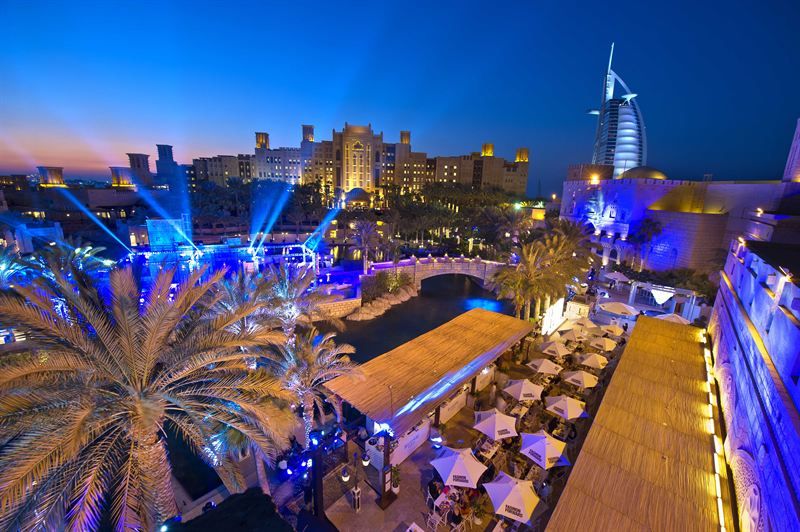
Dubai has evolved into one of the world’s most influential lifestyle destinations, attracting millions of residents, tourists, and entrepreneurs who are drawn to its unique blend of luxury, innovation, and multicultural energy. What makes Dubai stand out is not just its skyline or its reputation for extravagance, but the way it has intentionally shaped itself into a city where quality of life is a priority. From world-class infrastructure to diverse entertainment options, Dubai has created an environment where people from over 200 nationalities can live, work, and thrive. The city’s lifestyle appeal begins with its commitment to comfort and convenience. Public spaces are designed with accessibility in mind, transportation systems are modern and efficient, and residential communities offer amenities that cater to every need. Whether someone prefers beachfront living, urban high-rises, or quiet suburban neighborhoods, Dubai provides options that suit different lifestyles and budgets.

Another defining feature of Dubai’s lifestyle culture is its emphasis on experiences. Residents can enjoy everything from fine dining and luxury spas to desert adventures and cultural festivals. The city’s culinary scene reflects its diversity, offering cuisines from around the world, while entertainment venues host concerts, exhibitions, and global events throughout the year. This constant flow of activities ensures that life in Dubai never feels monotonous.

Dubai’s multicultural environment also plays a major role in shaping its lifestyle identity. People from different backgrounds bring their traditions, languages, and customs, creating a vibrant social fabric. This diversity is reflected in schools, workplaces, and community events, making Dubai a city where cultural exchange happens naturally. The sense of safety and stability further enhances the lifestyle appeal. Dubai consistently ranks among the safest cities globally, giving residents peace of mind and allowing families to enjoy public spaces at all hours.

The city’s focus on innovation contributes to its modern lifestyle. Smart services, digital government platforms, and advanced technology make everyday tasks easier. From cashless payments to AI-driven services, Dubai integrates technology into daily life in ways that improve efficiency and convenience. The city’s vision for the future includes sustainable living, green spaces, and smart mobility, ensuring that its lifestyle offerings continue to evolve.

Ultimately, Dubai’s rise as a global lifestyle hub is the result of deliberate planning, cultural openness, and a commitment to excellence. It is a city that embraces ambition while offering comfort, opportunity, and a sense of belonging. For many, Dubai is not just a place to visit — it is a place to build a life that feels dynamic, fulfilling, and globally connected.

Dubai’s appeal as a lifestyle hub also comes from the way it constantly reinvents itself. New districts, attractions, and community spaces appear every year, giving residents and visitors something fresh to explore. Areas like Dubai Marina, City Walk, and Bluewaters Island show how the city blends leisure, dining, and entertainment into walkable, beautifully designed environments. These spaces encourage people to spend time outdoors, socialize, and enjoy the city’s vibrant atmosphere. Even traditional areas such as Deira and Bur Dubai are being revitalized with modern cafés, art spaces, and cultural initiatives that preserve heritage while embracing contemporary living.

Another factor that strengthens Dubai’s lifestyle identity is its focus on wellness. Fitness studios, cycling tracks, beach clubs, and wellness resorts are integrated into everyday life, making it easy for people to prioritize health. The city hosts marathons, yoga festivals, and community fitness events that bring people together and promote an active lifestyle. This balance between luxury, convenience, and well-being is a major reason why so many people choose to build long-term lives in Dubai. It offers a lifestyle that feels dynamic, inspiring, and full of opportunity.

Contributed by GuestPosts.biz
Smart Shopping In Dubai 2025

18 Dec 2025 Blog

Dubai is famous for its shopping festivals, luxury malls, and vibrant markets. But while the city offers incredible deals and its also easy to overspend if you don’t know where to look. Smart Shopping in Dubai means knowing where to find bargains and how to avoid overpriced traps. Souks and local markets such as Karama and the Gold Souk are treasure troves for affordable souvenirs, jewelry and handicrafts, where bargaining is expected and savvy shoppers can secure great deals. The Dubai shopping festival held annually, offers massive discounts across malls and outlets with electronics, fashion and home goods often seeing price drops of up to 70%. Outlet malls such as Dubai Outlet Mall and The Outlet Village are perfect branded bargains where last-season collections are sold at a fraction of the price.

At the same time, there are overpriced pitfalls that shoppers should avoid. Luxury malls, while glamorous and convenient, often mark up international brands compared to other global cities. Tourist traps near major attractions, inflate prices, banking on visitors who don’t bargain. With so much variety, impulse buys are another common pitfall, and shoppers should always compare prices before making big purchases.

To shop smart in Dubai, a few strategies go a long way. Compare prices online and across different stores before buying. Plan purchase around the Dubai Shopping festival or seasonal promotions to maximize savings. Use loyalty programs, as many malls and brands offer points and rewards that add up to significant discounts. Know when to bargain, as negotiation is expected in souks and local market but not in malls.

Dubai offers something for every budget, but smart shopping requires strategy. By exploring souks for authentic bargains, timing purchase during festivals and avoiding overpriced traps, shoppers can enjoy the best of Dubai without overspending. In 2025, the city remains a global shopping hub, but the smartest shoppers are those who balance indulgence with savvy choices.

Another important aspect of shopping in smart in Dubai is understanding the rhythm of the city’s retail calendar. Seasonal sales are not limited to the Dubai Shopping Festival; many malls and outlets run promotions during Ramadan, Eid, and even summer clearance events. These periods often concede with tourist influxes, meaning brands compete aggressively to attract buyers, with discounts, bundle deals and loyalty rewards. Savvy shoppers plan their purchases around these cycles, ensuring that get maximum value for money.

Technology has also transformed the way people shop in Dubai. Mobile apps and online platforms allows residents and tourists to compare prices instantly, check reviews and even reserve items before visiting a store. Many malls now integrate digital loyalty programs, offering cashbacks or points that can be redeemed across multiple outlets. This digital convenience makes it easier to avoid over priced traps, since shoppers can verify whether a product is genuinely discounted or simply marketed as a deal.

Another tip for smart shopping is to explore neighborhoods outside the main tourist districts. Areas like Satwa and Karama are known for affordable clothing, accessories, and household items, often at a fraction of the price found in luxury malls. While these markets may not have the glamour of Downtown Dubai, they provide authentic bargains and a glimpse into everyday life in the city.

Ultimately, shopping in Dubai is about balance. The city offers indulgence through luxury malls and savings through souks, outlets, and local markets. By combining cultural curiosity with practical strategies, shoppers can enjoy the best of both worlds. Smart shopping in 2025 is not just about spending less—it is about spending wisely, making informed choices, and experiencing Dubai in a way that feels both exciting and sustainable.

Contributed by GuestPosts.biz
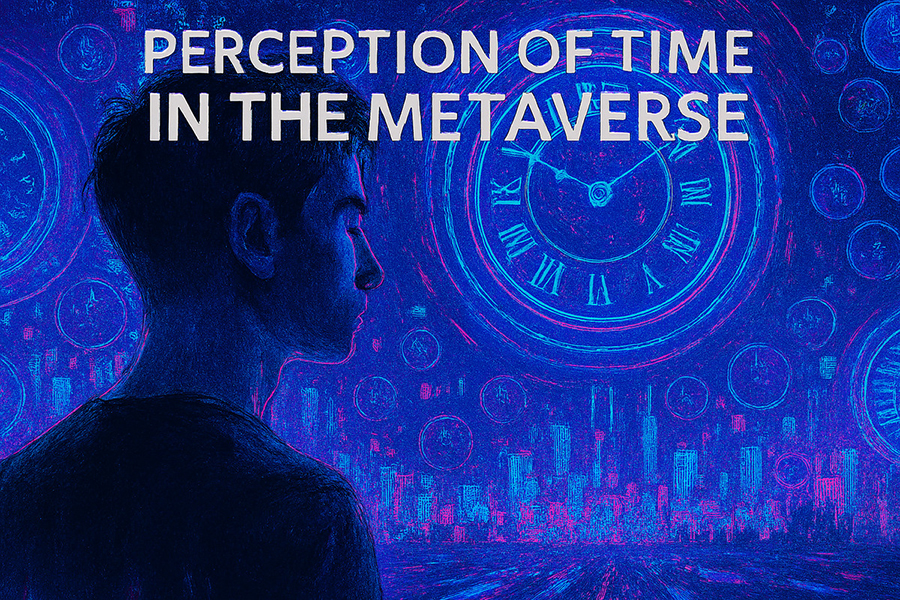
Perception Of Time In The Metaverse: How Virtual Worlds Reprogram Our Minds?

16 Dec 2025 Blog

Time is one of the strangest perceptions of the human mind. Sometimes minutes stretch like hours, while at other times hours melt away within a few minutes. Metaverse and virtual reality experiences do not merely affect this perception; they almost reshape it. When you put on a VR headset, your connection with the clock in the real world breaks; time begins to be measured not by a calendar, but by the intensity of experience.

This is not a coincidence. The metaverse directly interacts with the mechanisms in the human brain that form the perception of time. So why does time feel different in virtual worlds, and what kind of lasting effects does this have on our minds? In this article, we will discuss these topics.To explore more insights on the metaverse, AI, and emerging technologies, visit Meta-Shapers.

How Does the Perception of Time Form in the Brain?

There is no single center for time in the human brain. The perception of time emerges through the combination of attention, memory, emotions, and environmental stimuli. The brain does not measure the passing of time; it counts what happens. The more stimuli there are and the more intense the experience, the perception of time is shaped accordingly.

Metaverse environments address exactly this point. Visual, auditory, and even tactile stimuli are activated at the same time. The brain perceives this intensity as more experience and recalculates the flow of time accordingly.

Why Does Time Feel Different in VR?

The main reason time seems to speed up in VR experiences is that attention becomes completely locked onto a single point. In the real world, there are many factors that distract our attention: notifications, environmental sounds, physical needs. In VR environments, however, most of these stimuli disappear.

The brain almost receives the following message“I am only here right now.”

This state of complete focus is known in psychology as the “flow” state. In a flow state, the perception of time weakens. Metaverse experiences deliberately trigger this state. As a result, users may spend hours without realizing it.

This effect is not limited to entertainment purposes; it also causes time to be perceived differently in areas such as education and simulation.

What Are the Effects of Long-Term Use?

The metaverse bending the perception of time may be impressive in the short term. However, in long-term use, this situation can lead to certain mental consequences. First of all, frequent VR use conditions the brain to high levels of stimulation. The real world is slower and less stimulating compared to virtual environments. This creates risks such as a feeling of boredom with the real world, impatience, and intolerance toward low-stimulation environments.

The constant acceleration of time perception can increase the feeling that “there is not enough time” in daily life. When the brain cannot find the intensity it is accustomed to in the metaverse within the real world, it begins to perceive real time as insufficient.

Effects on Concentration and Attention

The metaverse can paradoxically both strengthen and weaken attention. In short-term and purposeful use, VR environments support deep focus. This is a major advantage, especially in education and skill development.

However, with long and uncontrolled use, the attention system can be harmed. Because the brain begins to expect constant high stimulation. For example, it makes it harder to focus on long texts, lowers motivation in daily tasks, and shortens attention span. In other words, the metaverse can be a gym that strengthens the attention muscle, but when overused, it can also become a source of stress that exhausts it.

Reprogramming the Mind

One of the most interesting effects of the metaverse is its potential to permanently reshape the perception of time. The mind adapts to the rhythm of the environment in which it spends the most time. For this reason, individuals who remain in virtual worlds for long periods may experience changes over time in their perception of speed, level of expectation, and patience threshold.

This does not necessarily have to be a “distortion.” Properly designed metaverse experiences can increase time awareness, accelerate learning processes, and strengthen attention control. The problem lies in how this power is used and for what purpose.

Time Is Not the Owner, but a Technological Tool

Reprogramming the perception of time brings great responsibility. Metaverse platforms should offer experiences that maintain balance, rather than consuming users’ attention and time resources without limits. On the user side, awareness is of critical importance. Moments when we fail to notice how time passes are not always pleasant. Sometimes, this indicates that control is slipping out of our hands.

So, who controls time in the end? We do.

The metaverse is a powerful tool that stretches, accelerates, and transforms our perception of time. While virtual worlds reprogram our minds, the real question is this: Do we determine the rhythm of time, or do virtual universes?

The answer to this question will determine whether the metaverse becomes a space of freedom or a mental trap in the future.

Contributed by GuestPosts.biz

Quantum Computing And Cybersecurity

15 Dec 2025 Blog

In today’s technologydriven digital world, data security affects nearly every aspect of our lives. Every piece of information is stored and transmitted digitally, and the protection of this vast amount of data relies heavily on modern encryption algorithms. However, technological revolutions,especially the rise of quantum computershave the potential to completely disrupt this balance. In other words, quantum computers, with their processing power that surpasses classical computers, pose a significant threat to existing encryption systems. In this article, we will discuss the impact of quantum computers on cybersecurity and future encryption methods. But first, let’s take a closer look at what quantum computers are. For more in-depth articles and the latest updates on cybersecurity and technology, visit the CyberGear website.

Quantum computers operate using quantum bits (qubits) instead of classical bits. Qubits have a unique property called superposition, allowing them to exist in both 0 and 1 states simultaneously. Additionally, through quantum phenomena such as entanglement, quantum computers can solve complex calculations far faster than classical computers. This capability is particularly revolutionary for complex mathematical tasks, such as factoring large numbers.

Many of today’s encryption methods, especially RSA and ECC (Elliptic Curve Cryptography), rely on the difficulty of factoring large numbers for classical computers. These algorithms ensure that data can be transmitted securely. However, quantum computers have the potential to solve these calculations within seconds.

Quantum Threats

The most significant threat posed by the rise of quantum computers targets asymmetric encryption algorithms. The security of algorithms like RSA, ECC, and DSA depends on the difficulty of factoring or discrete logarithm problems. However, Shor’s algorithm can solve these problems efficiently on a quantum computer, potentially breaking existing keys. This could compromise everything from banking transactions to government communications.

On the other hand, symmetric encryption methods (like AES) are more resistant to quantum attacks, but they are not immune. Grover’s algorithm can accelerate attacks, effectively reducing the security of AES-128 to about 64 bits in a quantum environment. This means symmetric keys will need to be longer to maintain their security.

Quantum Computing and Encryption

To counter the threats posed by quantum computers, scientists and engineers are developing Post-Quantum Cryptography (PQC). PQC algorithms are designed to be resistant to quantum attacks. Some of the leading approaches include:

  1. Lattice-based cryptography: Algorithms based on mathematical lattices, which are difficult for quantum computers to solve.
  2. Hash-based signatures: Digital signatures generated using only hash functions, providing security against quantum attacks.
  3. Code-based cryptography: Algorithms based on coding theory, working with large blocks of data to ensure quantum resistance.

Quantum security is no longer just theoretical. Companies likeBank of America and Google are already testing quantum-resistant protocols. By 2024, several organizations have started pilot projects to implement quantum secure systems, showing that preparing for the quantum era is becoming a practical necessity.

Transformation in Cybersecurity Strategies

The development of quantum computers is not only transforming encryption algorithms but also reshaping cybersecurity strategies. Companies and government institutions have already begun developing quantum-ready infrastructures and key management systems. This shift brings two major implications:

  1. Proactive Security Approach: Organizations must take preventive measures today to ensure that current data cannot be compromised by quantum computers in the future.
  2. Complex Key Management: Post-quantum algorithms require longer keys and different protocols, making infrastructure and software updates mandatory.

Furthermore, quantum security is not limited to encryption alone; data transmission, authentication, and digital signatures are also being redesigned for a quantum environment.

Future Outlook

The widespread adoption of quantum computers may take a few years or even decades. However, this timeframe is sufficient to plan and implement security measures today. Experts warn about the“harvest now, decrypt later” scenario, where malicious actors store encrypted data now and decrypt it later using quantum computers. Therefore, quantum-resistant encryption methods must be applied immediately for today’s critical data.

Quantum computing is a technology that will fundamentally change classical cybersecurity practices. While widely used encryption methods like RSA and ECC may become vulnerable to quantum attacks, symmetric encryption methods also require additional adjustments. Fortunately, Post-Quantum Cryptography (PQC) and quantumresistant algorithms provide effective solutions against these threats.

In the future, secure data transmission will rely not only on strong encryption but also on quantum-resistant strategies and infrastructures. Companies and governments must plan this transition today; otherwise, critical data could face significant risks within the next decade. Quantum computing heralds a new era in cybersecurity, and at the center of this era will bequantumsecure encryption.

In short, we must take proactive measures today to address the potential cybersecurity challenges of the future.

Contributed by GuestPosts.biz

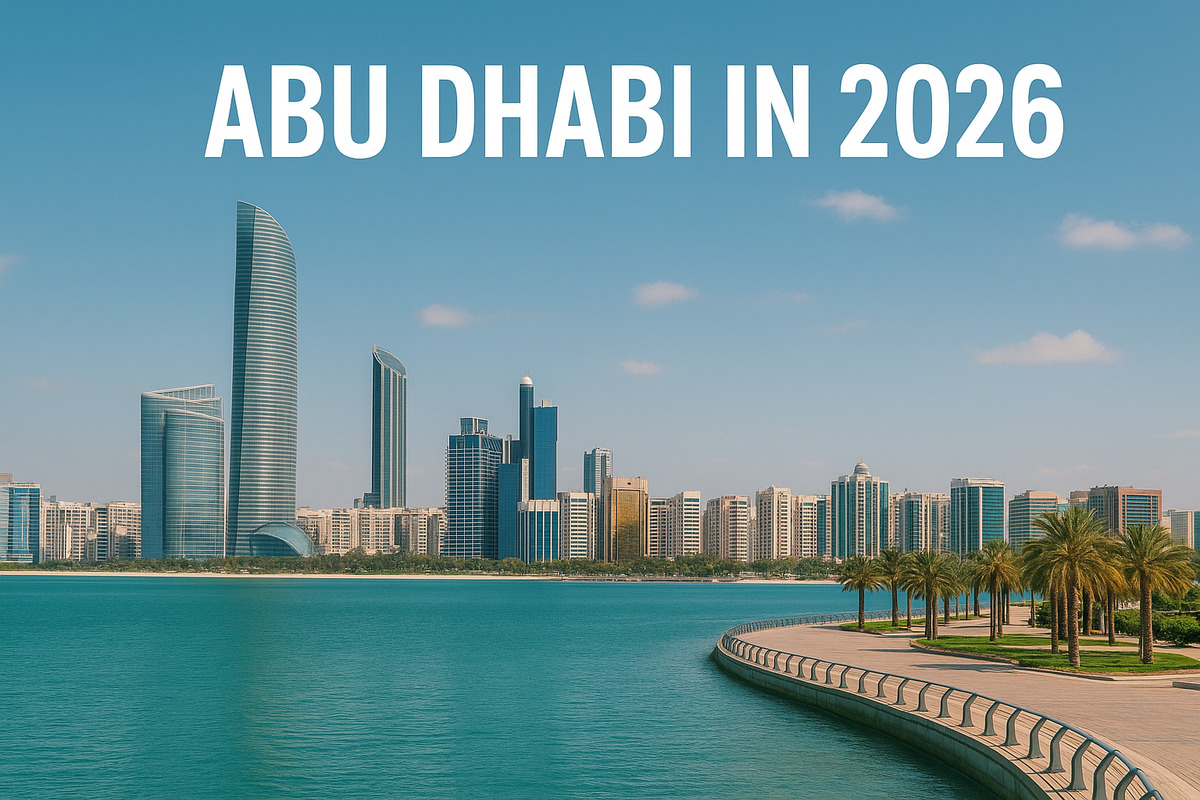
Abu Dhabi in 2026

11 Dec 2025 Blog

As the capital of the United Arab Emirates, Abu Dhabi stands out with its cultural heritage and modern vision, offering an exciting and captivating atmosphere. In 2026, the city is preparing to deliver unforgettable experiences with new tourism projects, entertainment centers, and cultural events. Rising majestically in the heart of the desert, Abu Dhabi is not just about tall skyscrapers—it is a place where history, nature, art, and technology come together. Just as the city impressed visitors in 2025, it will continue to fascinate tourists throughout 2026 as well.

So, if your journey brings you to Abu Dhabi, what are the must-try activities you shouldn’t miss?

Let’s explore 10 exciting experiences you should definitely try. You can visit AbuDhabiVerse.co to access comprehensive content and up-to-date information about Abu Dhabi.

1. Louvre Abu Dhabi

For those who want to explore the universal language of art and be inspired, Louvre Abu Dhabi is a truly unique destination. In 2026, the museum is becoming even richer with new exhibitions and digital art experiences. It offers a blend of classical masterpieces and modern digital interpretations. It is an essential stop for every art lover.

2. Mangrove Forests

One of Abu Dhabi’s natural wonders is its mangrove forests. Canoe and kayaking tours offer a peaceful yet enjoyable way to explore nature. If you visit this area, don’t forget to join a kayaking tour for a relaxing and memorable experience.

3. Ferrari World – The Ultimate Speed Experience

Home to the world’s fastest roller coaster, Ferrari World is a must-visit destination for adrenaline enthusiasts. In 2026, new simulation technologies make the speed experience even more realistic. If you love high-energy adventures, you definitely shouldn’t skip this place.

  1. Warner Bros. World

This massive entertainment park filled with beloved cartoon and movie characters is ideal for families. New themed zones and interactive games are being added in 2026. It offers an unforgettable adventure for children and a nostalgic journey for adults.

5. Nightlife at Yas Marina

Yas Marina is one of Abu Dhabi’s most vibrant nightlife hubs. Restaurants, bars, and waterfront events are becoming even more diverse in 2026. It’s an ideal spot for those who want to experience both gastronomy and entertainment together. If you love nightlife and fun, you shouldn’t miss this opportunity.

6. Desert Safari

You can explore Abu Dhabi’s stunning desert through safari tours. Camel rides, dune-bashing, and dinner at a traditional Emirati camp offer visitors a cultural and authentic experience. In 2026, these tours are becoming even more sustainable.

7. Sheikh Zayed Grand Mosque

One of Abu Dhabi’s most iconic landmarks, the Sheikh Zayed Grand Mosque is an architectural masterpiece. In 2026, cultural events and guided tours around the mosque are being further enriched. If you’re interested in religious and historical elements, this is a place you should not skip.

8. Beach Time at Saadiyat Island

With its white sands and turquoise waters, Saadiyat Island offers tranquility and a truly unique beach experience. Home to some of Abu Dhabi’s most beautiful beaches, the island will feature new beach clubs and water sports activities in 2026. If you love the sea and outdoor fun, this destination is a must visit.

9. Formula 1 Abu Dhabi Grand Prix Excitement

Yas Marina Circuit is one of the most thrilling stops on the Formula 1 calendar. The 2026 Grand Prix is set to offer unforgettable moments to motorsport enthusiasts, with new technologies and even larger events.

10. Metaverse and Digital Experience Centers

With its forward-thinking vision, Abu Dhabi is also a pioneer in the digital world. Metaverse experience centers opening in 2026 will offer visitors a blend of culture and entertainment through virtual reality. These centers showcase how the city combines culture with cutting-edge technology. If you’ve never tried virtual reality or metaverse experiences before, this is definitely something you should explore.

Of course, Abu Dhabi is not limited to only these activities we mentioned. There are many architectural, traditional, and historical places waiting to be discovered. In addition, you can also visit the city’s large and famous shopping malls

If you are planning to visit Abu Dhabi in 2026, these activities will make your trip even more enjoyable. The city offers a unique blend of traditional and modern experiences. You can immerse yourself in art at the Louvre Abu Dhabi, explore nature in the mangrove forests, push your limits at Ferrari World, and discover authentic Emirati culture during a desert safari.

All of these experiences clearly show that Abu Dhabi is not just a tourist destination, but a vibrant city of culture and forwardthinking vision.These 10 musttry activities in Abu Dhabi for 2026 are the best way to explore the city, feel its history come alive, and enjoy unforgettable moments. For both tourists and residents, Abu Dhabi continues to be a unique city that blends the past, culture, and a vision for the future.

Contributed by GuestPosts.biz

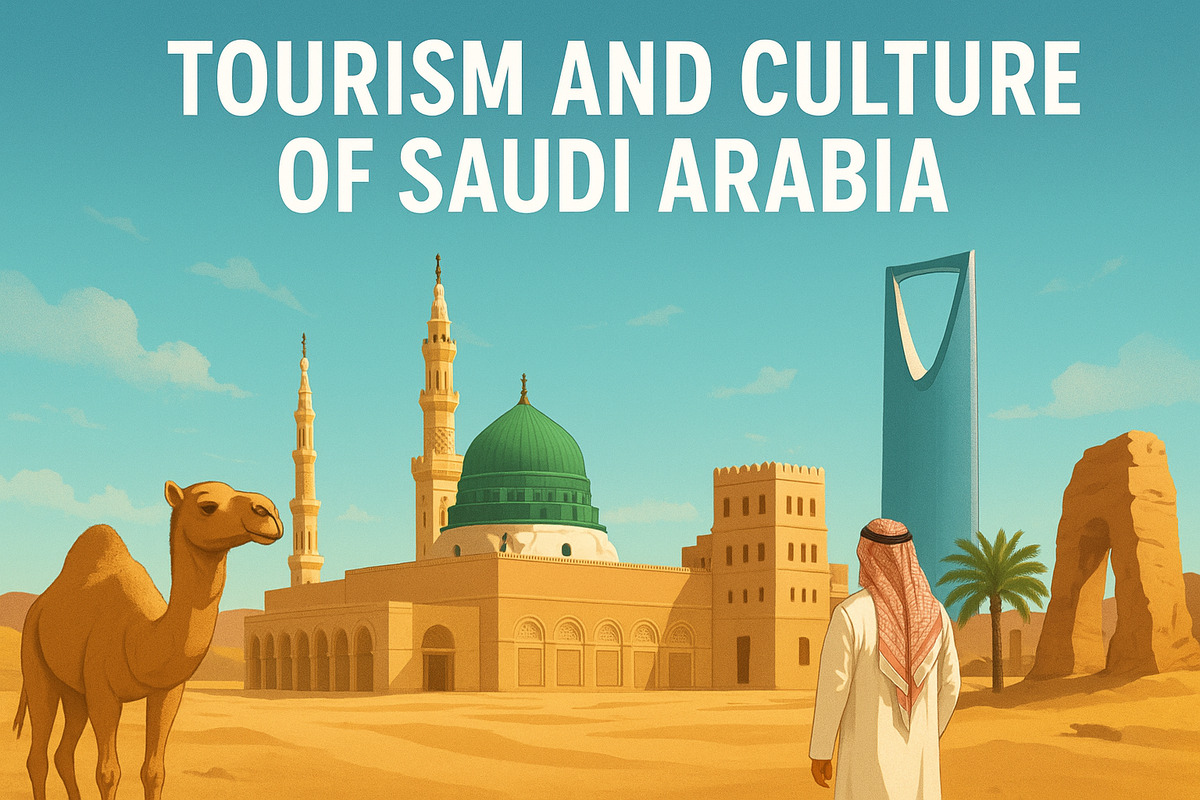
Tourism and Culture of Saudi Arabia

11 Dec 2025 Blog

For many years, Saudi Arabia was known as a country closed to the outside world, maintaining a conservative cultural structure and allowing tourism mainly for religious purposes such as pilgrimage. However, in the last 10 years, this perception has undergone a profound transformation. With its Vision 2030 initiative, Saudi Arabia decided to reinvent itself. Its cultural riches, reaching deep into history, have combined with modern transformation efforts to create a unique tourism perspective. Today, Saudi Arabia is no longer just a country rich in oil; it is a cultural center that carries the traces of ancient civilizations, impresses with architectural diversity, and blends hospitality with the warmth of the desert.

Let us take a closer look at the history and richness of Saudi Arabia.Discover more content and follow Saudi Arabia’s tourism and cultural vision closely by visiting KSA Today.

Historical and Archaeological Richness

Tourism in Saudi Arabia is becoming increasingly popular. Throughout history, the Arabian Peninsula has hosted many civilizations whose traces remain today. The Al-Ula region serves as the country’s open-air museum. The magnificent structures of the Nabataean Kingdom, which are recognized as UNESCO World Heritage Sites, along with rock tombs and centuries-old inscriptions, make it a quiet sibling to Petra. What makes Al-Ula truly unique is its unspoiled historical atmosphere, far from crowds. Visitors often feel as though they are not only observing stones but conversing with time itself.

Another significant site is Diriyah. Known as the birthplace of the Saudi state, this historic town is being restored and transformed into a vast cultural complex. Walking through Diriyah almost feels like stepping into another era.

 It showcases both the warmth of traditional Najdi architecture and the simplicity of modern museum design. As you walk through the streets of Diriyah, you witness traces of the old tribal life of the Arabian Peninsula.

Tradition and Modernity

Although Saudi Arabian culture is often associated with a conservative structure from an outsider’s perspective, the country possesses a vibrant and deeply layered cultural splendor. At the heart of this splendor is hospitality. Born from the hardships of desert life, this value remains one of the strongest pillars of Saudi society. When you step into a Saudi home, you are first welcomed with warm coffee and datesan unspoken message of Welcome, you are now part of the family and you are safe.

Artistic transformation is also an essential part of the country’s cultural evolution. In recent years, art galleries, film festivals, and music events in major cities such as Riyadh and Jeddah have showcased the unique creations of Arab youth. Traditional Arab musical instruments blend with modern stage arrangements, while classical calligraphy meets digital art. Saudi Arabia is no longer merely preserving its culture; it is actively recreating and reinterpreting it.

Beyond the Desert: Saudi Arabia

Although the desert is the most familiar face of Saudi Arabia, the country’s natural landscape offers far more than this image suggests. The Red Sea coast, with its turquoise waters, is one of the world’s purest and calmest spots for diving tourism. With the NEOM project, these coastlines are rapidly becoming a global attraction for sustainable urban planning and ecotourism.

The country’s southwest, on the other hand, presents a world entirely different from the desert. The Asir Region, with its misty mountains, terraced farmlands, and colorful architecture, offers surprising beauty. The green palm groves of the Al-Ahsa Oasis stand as a true miracle in the heart of the desert. In this way, Saudi Arabia brings together the romance of the desert and an unexpected diversity of nature, offering visitors unforgettable experiences.

Saudi Arabia: A Transforming Vision of Tourism

Saudi Arabia’s tourism vision opens the door not only to economic growth but also to international diversity and cultural exchange. With the easing of visa policies, the country has begun welcoming visitors from all around the world. Despite these new openings, Saudi Arabia remains careful to preserve its traditional values. In other words, as tourism expands, cultural identity does not disappear—on the contrary, it becomes even more visible.

Saudi Arabia today stands as a nation that proudly preserves the grandeur of its past while stepping boldly into its future. The tranquility of the desert, the dynamism of modern cities, the depth of cultural rituals, and the variety of natural landscapes together create a unique tourism experience. The country attracts history enthusiasts, adventure seekers, and cultural explorers alike. In short, Saudi Arabia is no longer just a geographical location but a story waiting to be discovered. To explore and understand this story means to look at both the past and the future at the same time.

Contributed by GuestPosts.biz

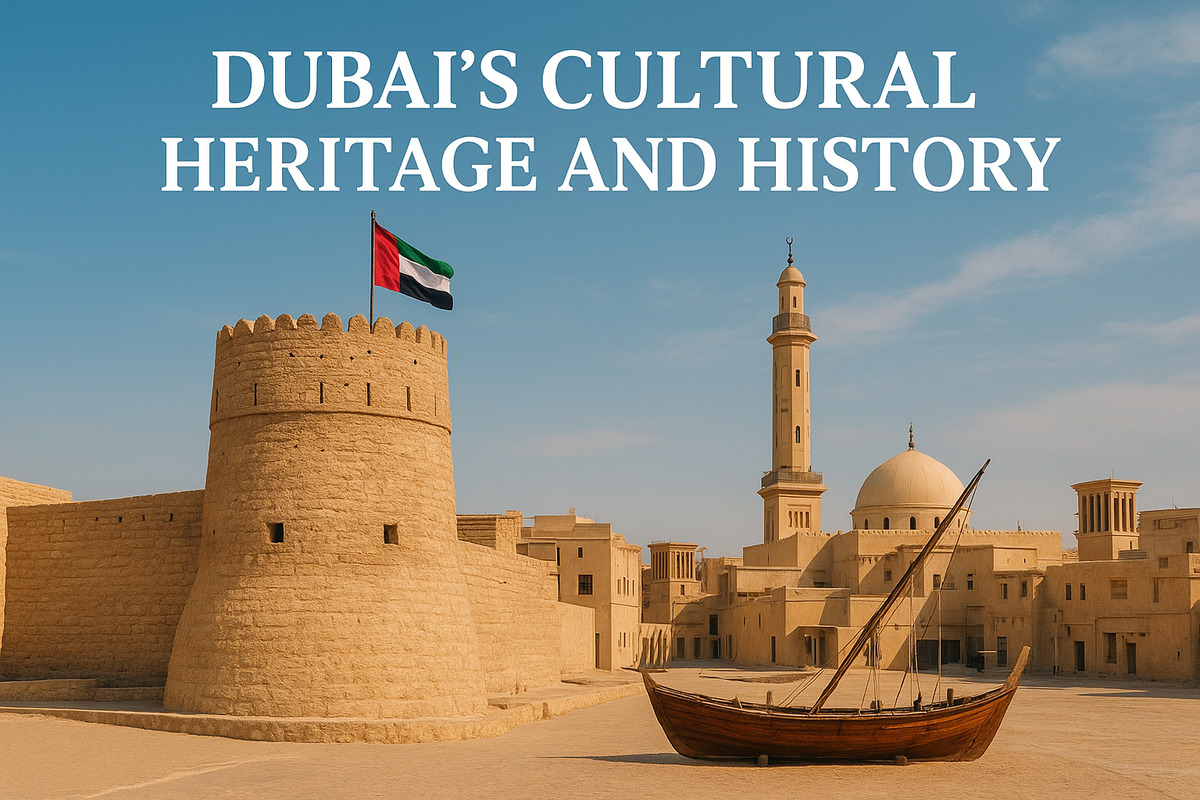
Dubai’s Cultural Heritage And History

8 Dec 2025 Blog

When people think of Dubai, most imagine the soaring silhouette of the Burj Khalifa, the magnificence of Palm Jumeirah, and the world’s most luxurious shopping malls. The city is known for its modern architecture and global vision, yet behind this glittering lifestyle lies another Dubai. This Dubai is found beyond the skyscrapers, hidden in villages and souks that carry traces of the past and history. Traditional districts such as Al Fahidi preserve the city’s cultural identity and reveal to visitors the true spirit and history of Dubai. Let us take a closer look at these historical and cultural treasures. You can visit DubaiVerse.io to learn more about what’s happening in Dubai and to follow the latest news in detail.

Where Time Stands Still: Al Fahidi

The Al Fahidi Historical District is one of Dubai’s oldest neighborhoods. Its narrow alleys, houses adorned with wind towers, and traditional architecture transport visitors back in time. Walking here, one does not feel the grandeur of skyscrapers but rather the silence and serenity of history. The importance of Al Fahidi lies not only in its architecture but also in its cultural life. Art galleries, museums, and cultural centers narrate the stories of the Emirati people from past to present. For tourists, this district offers a chance to discover Dubai’s roots beyond its modern face. Traditional history and heritage are embedded in every step and corner of Dubai.

Forgotten Villages

Around Dubai, there are small villages that have gradually been forgotten. These settlements carry traces of nomadic life and the bond with the sea. Located in the desert, they once bore witness to communities that lived through fishing, pearl diving, and camel breeding.Today, many of these villages are abandoned, but some are being revived through cultural heritage projects. The old houses, mosques, and marketplaces in these villages remind us of the values lost during Dubai’s rapid modernization.

The Heart of Trade

Dubai’s historic souks reflect the city’s trading past. The Gold Souk in Deira has for centuries been a hub for buying and selling precious metals and jewelry. The Spice Souk, meanwhile, is filled with aromas from India, Iran, and Africa.These souks are not merely places of commerce but also cultural meeting points. The voices of merchants, the excitement of bargaining, and the fragrance of spices bring Dubai’s historic trade life into the present. For tourists, these souks offer a far more authentic experience than modern shopping malls.

Is Cultural Heritage Important?

Of course, it is. Every city and country has its own heritage, which reflects its unique importance and beauty. Dubai’s forgotten villages and historic souks are elements that preserve the city’s identity. Many traditions have faced the risk of disappearing during the modernization process. Yet these areas allow Emirati people to remember their roots and give tourists the opportunity to see the true face of Dubai. Cultural heritage is not only about preserving the past but also about guiding the future. Districts like Al Fahidi pass cultural values on to younger generations and serve as a balance in the city’s rapid transformation.

Traditional Dubai

Most tourists visiting Dubai focus on modern attractions. However, those who explore traditional areas discover a completely different side of the city. Walking through the narrow streets of Al Fahidi, bargaining in the Spice Souk, or opening the door of an old house in a forgotten village allows visitors to feel the soul of Dubai. These experiences show that Dubai is not only about luxury and grandeur but also about a deep-rooted culture.

Modernity and Tradition

Dubai’s greatest achievement lies in the balance it has created between modernity and tradition. On one side, the world’s tallest buildings rise, while on the other, historic districts are preserved. This balance enriches the city’s identity.

Areas like Al Fahidi serve as a pause against the speed of modern Dubai. Here, time slows down, people remember the past, and cultural values regain meaning.

Dubai’s forgotten villages, historic souks, and traditional architecture are the most important parts of the city’s cultural heritage. Beyond the modern skyscrapers, these areas reflect Dubai’s true identity. The narrow streets of Al Fahidi, the spice-filled souks of Deira, and the silent villages of the desert carry the city’s past into the present. For tourists, these areas are the most effective way to discover the spirit of Dubai. For the local community, they symbolize the preservation of heritage and its transmission to future generations. In short, Dubai’s vision is not only about modernization but also about maintaining its connection to the past. Forgotten villages and historic souks lie at the heart of this vision. They remind us that Dubai is not just a tourist destination but also a living culture and an impressive history.

Contributed by GuestPosts.biz

Living In Dubai

3 Dec 2025 Blog

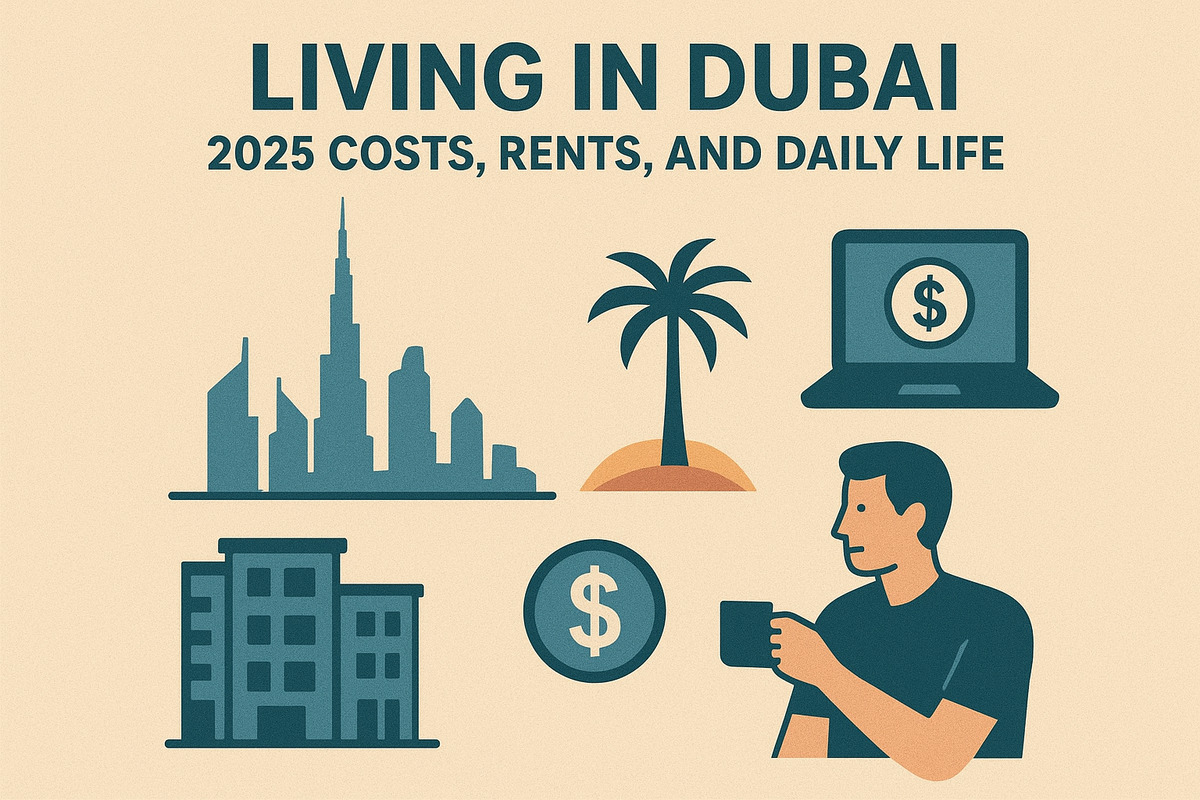
Dubai is one of the most cosmopolitan and rapidly developing cities in the United Arab Emirates. With its tax advantages, international job opportunities, luxurious lifestyle options, and multicultural structure, it has become a favorite destination for many expats. However, this appeal unfortunately comes with a significant cost of living. In this article, we will discuss the key expenses that anyone planning to live in Dubai in 2025 should consider when creating their budge. For more detailed information about living, working, and sightseeing in Dubai, you can visit Dubai City Guide, where you will find comprehensive guides and up-to-date tips.

Housing and Rent

The biggest expense of living in Dubai is undoubtedly housing, whether you rent or buy. Where you live and the size of the home you choose greatly influence the total cost.In central and luxury areas such as Downtown Dubai, Dubai Marina, and Palm Jumeirah, the monthly rent for a 1-bedroom apartment in 2025 ranges approximately between AED 6,250 and AED 10,000.

In more affordable districts such as Jumeirah Village Circle (JVC), Al Nahda, or other areas popular with international residents the monthly rent for a 1-bedroom apartment is generally between AED 2,500 and AED 5,000.

If you consider larger properties, such as 3-bedroom villas or luxury apartments, the monthly rent ranges from AED 15,000 to AED 33,000.

But is rent the only expense? Unfortunately not.

There are additional costs to consider, such as deposit, real estate agent fees, service charges, and maintenance expenses. Especially for renters, these upfront costs can significantly strain the budget in the beginning.

In short, rent in Dubai constitutes the largest part of your budget and varies greatly depending on the location, property type, and your lifestyle expectations.

Daily Living Expenses

Food & Groceries

For a single person, monthly grocery shopping and basic necessities typically range between AED 750 and AED 1,000.

The cost of dining out varies significantly. An affordable meal can cost around AED 27-55, while a mid-range dinner may be AED 220-294 per person.

If you mainly cook at home and only dine out on weekends, it is possible to keep your budget relatively reasonable.However, if you eat out frequently, your monthly expenses can rise very quickly.

Utilities and Internet

Dubai’s hot climate and the frequent use of air conditioning make electricity and water bills a significant part of monthly expenses. According to recent data, electricity and water bills typically range between AED 294–551 per month.

The cost of internet and mobile services varies depending on the package you choose, but it generally ranges from AED 367–735 per month.

 Transportation

The city operates with a public transportation system, including metro, buses, and trams, but private car usage is also common. The cost of using public transport or taxis averages AED 300–700 per month.

The expenses of using a private vehicle can vary considerably:

  • Fuel: approximately AED 200–600 per month
  • Insurance: approximately AED 400–700 per month
  • Parking: approximately AED 100–300 per month

Overall, commuting by private car can cost around AED 800–1,600 per month.

Pros and Cons of Living in Dubai

Advantages

  • No income tax: Dubai has no personal income tax, which allows employees to retain a larger portion of their salary.
  • High-quality infrastructure and healthcare: The city offers excellent facilities, especially in the city center, along with reliable international transportation.
  • Cosmopolitan and open to opportunities: The UAE is home to people from many different nationalities, creating a diverse, multicultural environment with numerous career opportunities.
  • Comfortable lifestyle: If you live financially wisely and plan your expenses carefully, Dubai can offer a very comfortable and convenient lifestyle.

Disadvantages

  • High rent: Especially in central or luxury areas, rental costs can be quite high.
  • Utility bills: Bills, particularly in the summer months due to air conditioning usage, can be significant.
  • Food, entertainment, and dining out costs: Eating out, going to restaurants, and enjoying leisure activities can put a strain on your budget.

Who is Living in Dubai Suitable For?

Dubai is particularly suitable for expats with long-term career plans, those aiming for an international lifestyle and career, individuals seeking a high standard of living, and high-earning professionals.

As a result, as of 2025, Dubai is an attractive migration destination with the standard of living, infrastructure, and job and career opportunities it offers. However, this appeal can also come with significant costs. If you plan to move to Dubai, you can adjust comfortably according to your budget. With the right choices and a balanced lifestyle, Dubai can be both comfortable and sustainable.Dubai is a destination worth considering for those planning to live there, as it offers both an enjoyable lifestyle and a city that is technologically advanced and rapidly developing.

Contributed by GuestPosts.biz

Remote Work And Artificial Intelligence: Dubai And The UAE

1 Dec 2025 Blog

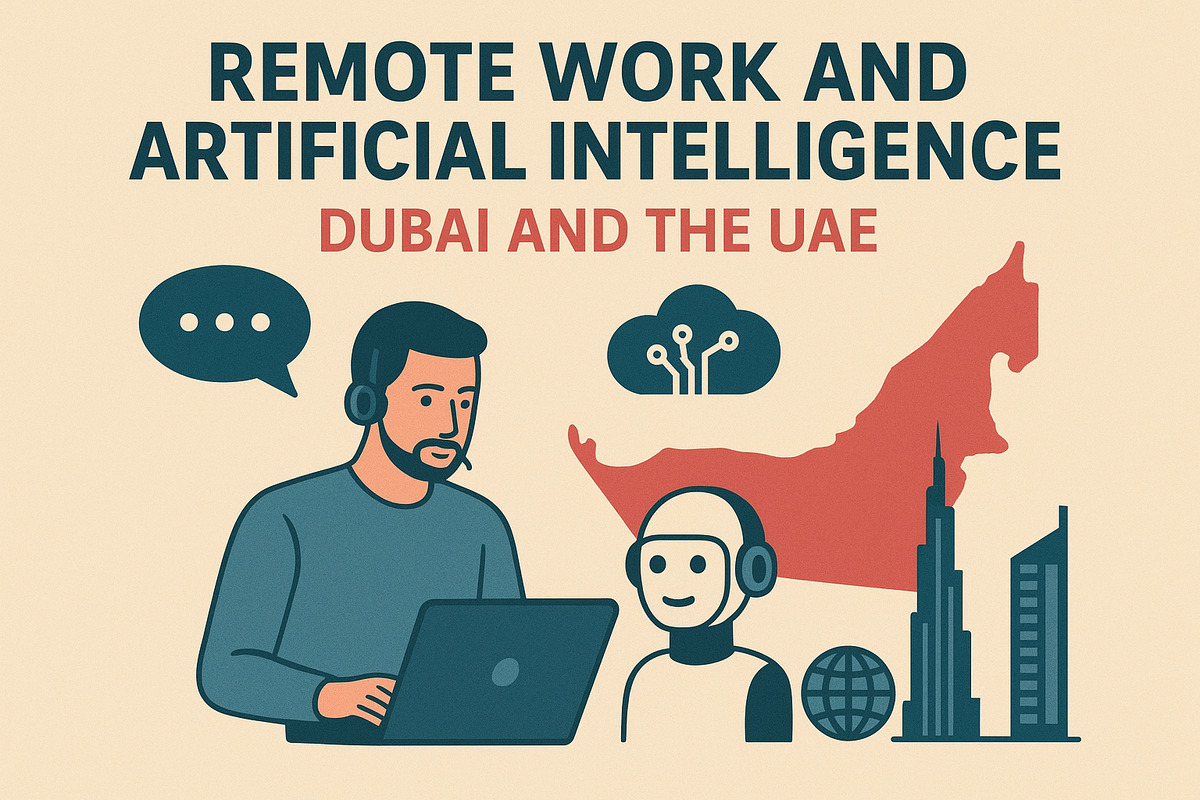
In recent years, Dubai and the United Arab Emirates (UAE) have made significant investments in technology and innovation, achieving notable progress in the business world. Following the pandemic, remote work models were rapidly adopted in the region, and companies began using AI-powered tools to enhance productivity. For a more detailed look at the impact of AI-powered productivity tools on the business world and regional trends, the analyses published on the Middle East Today blog also provide a valuable resource.

So, what are the benefits of combining artificial intelligence with remote work in the business world?

Remote Work in the UAE:

After the pandemic, many companies started experimenting with hybrid and fully remote work models. Technology firms in Dubai and Abu Dhabi have significantly strengthened their digital infrastructure to increase employee productivity and optimize business processes. The adoption of remote work has particularly increased in the finance, tourism, and logistics sectors.

Artificial Intelligence and Productivity

AI is revolutionizing business processes. Through automation and data analytics, AI tools reduce repetitive tasks, improve time management, and accelerate project and task coordination. For example, some Dubai-based startups have increased the productivity of their hybrid teams by 30% using AI-powered team coordination software. Additionally, AI-supported performance analyses help identify potential issues in advance, enabling the optimization of business processes.

 Opportunities

For employers, AI enables the optimization of work processes, reducing costs and allowing for faster decision-making. For employees, AI tools lighten the workload, making it possible to work more efficiently while saving time and labor. For example, some companies in Dubai are using AI-based mentors and assistants to accelerate the remote onboarding process.

Future Trends from the UAE Perspective

The UAE government is strengthening the business world by supporting artificial intelligence and digital skills through strategic initiatives. As part of the 2030 vision, AI-supported remote work models are expected to increase both productivity and innovation. In the coming years, these approaches are projected to become more widespread within the region’s entrepreneurship ecosystem.

AI-Powered Tools and Platforms

Artificial intelligence continues to revolutionize the modern business world. Many companies based in Dubai and Abu Dhabi are using AI-powered platforms to make their business processes more efficient. AI tools integrated into platforms like Slack, Microsoft Teams, and Notion automate tasks and accelerate team coordination.

  • AI tools also automate data analysis, enabling managers to make faster and more accurate decisions.
  • Thanks to these tools, companies can optimize their workflows, save time, and achieve financial gains.

Future Trends and the 2030 Vision

The UAE government continues to strengthen the business world through strategies that support artificial intelligence and digital skills. As part of its 2030 vision, AI-powered remote work models are being promoted to enhance productivity and drive innovation.

Smart Dubai and other AI initiatives support the digital transformation of companies, giving priority to hybrid and AI-integrated work models. At the same time, these efforts contribute to the entrepreneurship ecosystem, and in the coming years, AI and remote work strategies are expected to be adopted more widely across startups and entrepreneurial projects in the region.

In short, these approaches position the United Arab Emirates as a regional and global leader in the business world.

So far, we have focused on the benefits of AI and remote work. Now, let’s examine the challenges.

Challenges and Ethical Considerations

While AI-powered remote work offers numerous advantages in the business world, it also brings certain challenges and ethical concerns.

Data Privacy and Security

AI systems collect large amounts of data, including employee performance, task tracking, and communication records. The security of this data is critical, as unauthorized access, data breaches, or misuse can pose serious risks. In countries like the UAE, data protection laws exist, and companies must comply with these regulations.

Employee Psychology

Continuous monitoring and AI oversight during remote work can create stress and pressure for employees. While tracking workload and productivity, human interaction and social connectedness must be preserved.

Transparency

The decision-making processes of AI tools must be transparent, and employees should know how their data is being used. Companies need to manage AI systems responsibly, maintaining employee trust and being accountable for outcomes.

In short, while AI-powered remote work provides benefits in terms of productivity and flexibility, careful management is required regarding data security, bias, employee psychology, and transparency. When these challenges are proactively addressed, AI systems can be used both efficiently and ethically.

In conclusion, AI-powered productivity and remote work are becoming a lasting trend in the business world of the United Arab Emirates. Companies that strategically use AI tools are able to reduce costs while increasing employee satisfaction and productivity. This combination represents an important step in enhancing the UAE’s business competitiveness both regionally and globally.

Today and in the future, our work processes are increasingly optimized with AI. The key is to remain cautious and take preventive measures against potential challenges.

Contributed by GuestPosts.biz

1 2 3 4 7

Search

+