The Best 10 Residential Areas For Families In Sharjah

31 Dec 2025 Blog

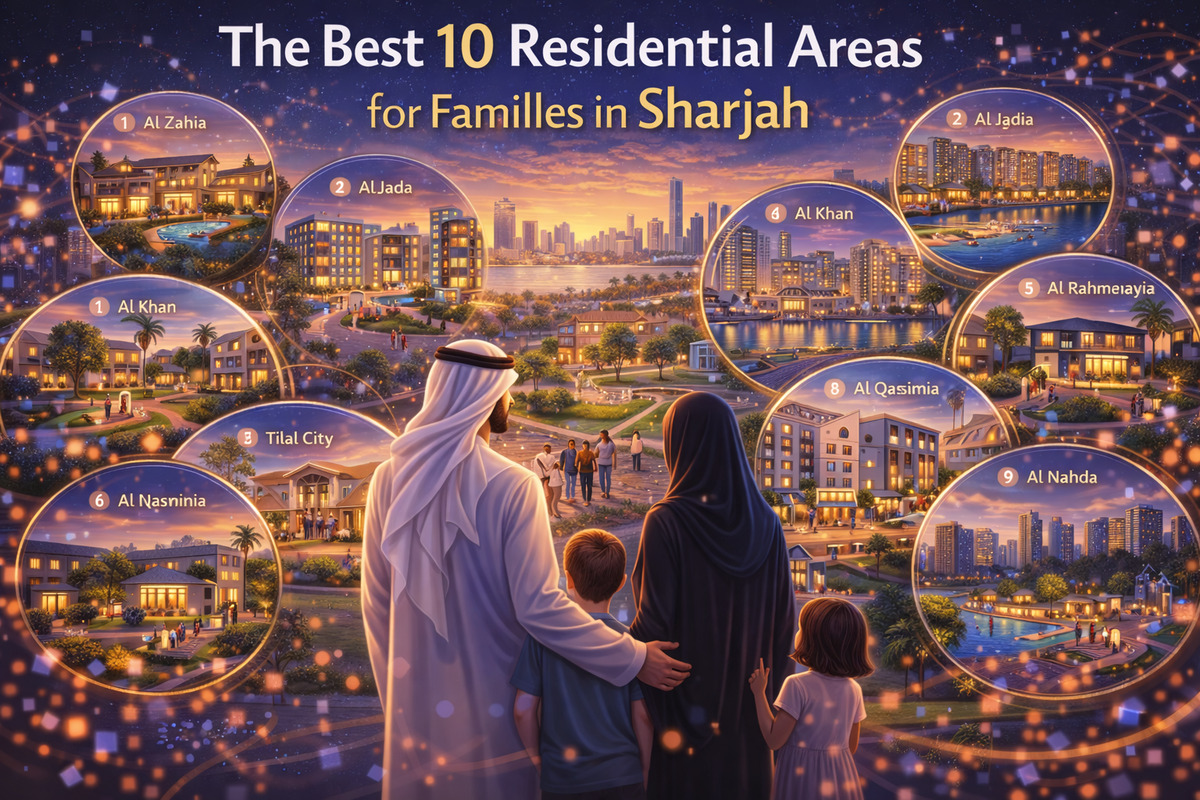
Sharjah stands out as one of the most balanced cities in the United Arab Emirates with a strong focus on family life. Thanks to its proximity to Dubai, more affordable living costs, cultural structure, and familyfriendly regulations, it is especially preferred by families with children. However, not every area in Sharjah offers the same quality of life. Factors such as access to schools, traffic density, social spaces, and safety play a decisive role when choosing a neighborhood. In this article, we examine the top 10 residential areas in Sharjah that are truly livable for families and offer both comfort and longterm value. To explore further details, visit Sharjahpropertyguide.

1. Al Majaz

Al Majaz is one of the first areas that comes to mind when talking about family life in Sharjah. The parks, walking paths, and children’s playgrounds around Al Majaz Waterfront provide a major advantage for families. The area is home to many international schools and nurseries. Public transportation connections are strong, and access to Dubai is relatively convenient.

Who is it ideal for? Families who want to live in the city center, close to social life, yet still enjoy a familyfriendly environment.

2. Al Khan

With its sea views, coastal walking paths, and calmer atmosphere, Al Khan is especially suitable for families with young children. The area features modern apartment buildings, gated communities, and familyoriented social spaces. In addition, attractions such as the Sharjah Aquarium and nearby beaches offer extra benefits for children. Here, you can enjoy a peaceful and relaxed life with your family.

3. Muwaileh (Muwaileh Commercial & New Muwaileh)

In recent years, Muwaileh has become one of the fastestgrowing family-oriented areas in Sharjah. The presence of many international schools (British, Indian, IB) makes it particularly attractive to families. Rental and purchase prices remain well balanced considering the amenities offered. Additionally, the high concentration of schools and close proximity to Dubai exit routes make Muwaileh a highly practical choice.

4. Al Nahda

Thanks to its close proximity to the Dubai border, Al Nahda is ideal for families who work in Dubai but prefer to live in Sharjah. The area is surrounded by shopping malls, clinics, and schools. However, traffic congestion can occur during peak hours.

Who is it suitable for? Families who commute daily between Dubai and Sharjah.

5. Al Taawun

Al Taawun stands out for its strong social life thanks to its proximity to the Al Qasba Canal. Restaurants, cafés, children’s activity areas, and walking paths significantly enhance the quality of life for families. In addition, many residential buildings in the area offer spacious apartment options specifically designed for families.

6. Al Qasimia

With its more traditional yet secure neighborhood structure, Al Qasimia is one of the preferred areas for families who have lived in Sharjah for many years. It offers easy access to schools, healthcare centers, and parks. Its budgetfriendlynature is also a major advantage.

7. Al Rahmaniya

Al Rahmaniya stands out for families seeking a villa lifestyle. Wide streets, detached homes, and a calm atmosphere make it ideal for families with children. Although it is located away from the city center, it offers more space and privacy.

Who is it ideal for?Families who want a villastyle lifestyle away from crowded areas.

8. Tilal City

One of Sharjah’s planned development projects, Tilal City attracts attention with its modern infrastructure and green spaces. Schools, parks, and shopping areas are all designed within a master plan. It is a strong alternative for families considering long-term residence.

9. Al Juraina

Known for its proximity to University City, Al Juraina is suitable for families who want to live in an education-focused environment. The area is quiet, wellorganized, and features newly developing residential projects. At the same time, it reflects Sharjah’s cultural character.

10. Al Suyoh

Al Suyoh is a newer but promising area that attracts families with its affordable villa and townhouse options. Thanks to ongoing school projects and infrastructure investments, it is expected to become even more attractive for family living in the coming years.

What Should Families Consider When Choosing a Neighborhood?

When selecting the right area for family living in Sharjah, the following criteria should definitely be taken into consideration:

  • Proximity to schools and the types of schools available
  • Daily traffic conditions and commute time to work
  • Parks, playgrounds, and social facilities
  • Access to healthcare centers
  • The area’s long-term development potential

Every family has different priorities; therefore, the “best neighborhood” is the one that best fits the family’s lifestyle.

Sharjah offers families a safe, culturally balanced, and economically sustainable lifestyle. With the right neighborhood choice, these advantages become even more meaningful. Areas that successfully balance schools, transportation, and social life are important not only for today but also for longterm happiness and stability.For families who want to live in Sharjah, choosing the right neighborhood is the key to quality of life.

Contributed by GuestPosts.biz
Dubai’s Future In Cultural Diplomacy And Global Influence

31 Dec 2025 Blog

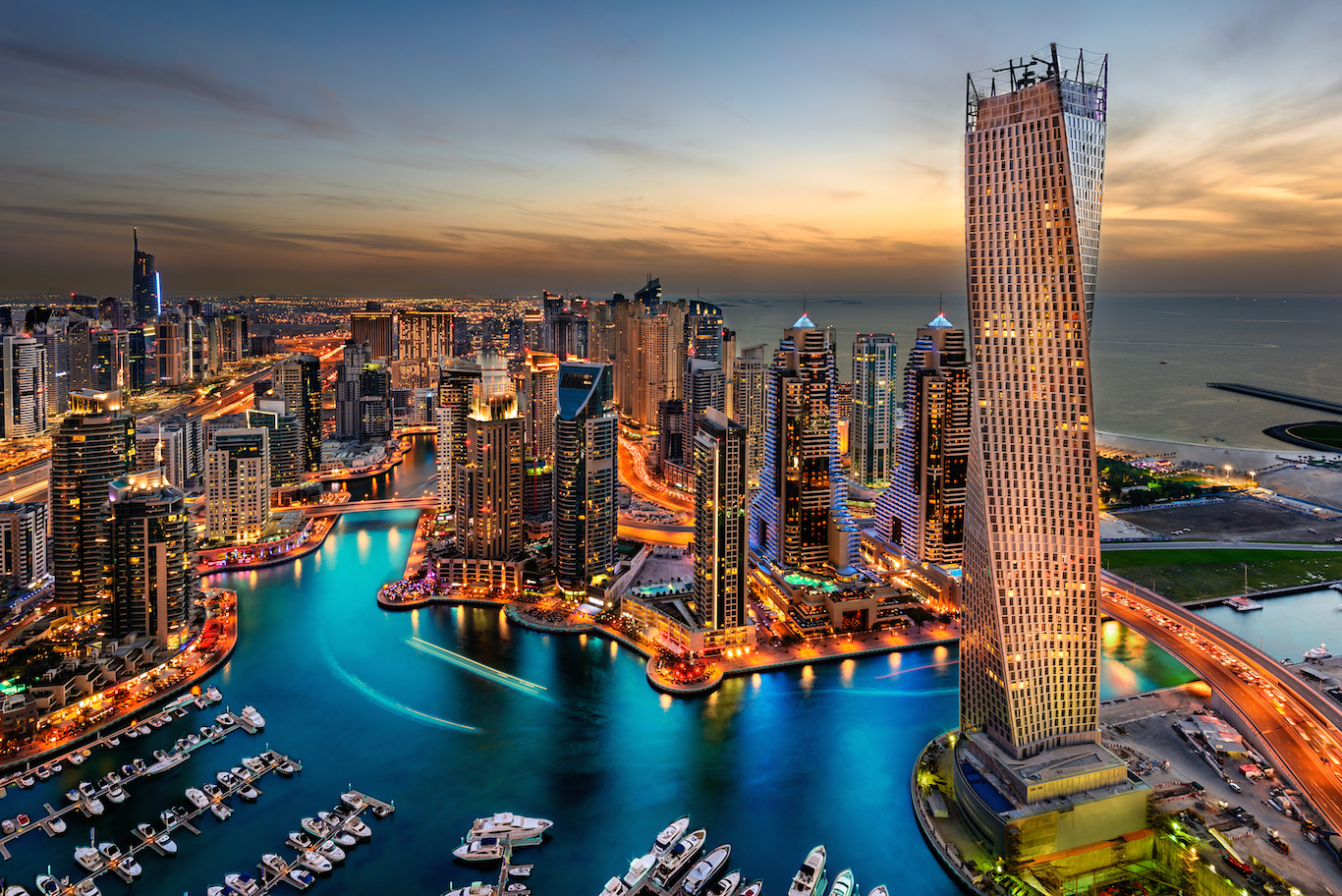
Dubai is often described as a city of commerce and innovation, but one of its most powerful roles lies in cultural diplomacy. As a global crossroads where East meets West, Dubai has embraced its diversity as a tool for influence, creating opportunities to connect cultures, foster dialogue, and build international relationships. The city’s leadership understands that cultural diplomacy is not just about soft power but about shaping a global identity that reflects inclusivity, creativity, and ambition.

Cultural diplomacy in Dubai begins with events and festivals. Expo 2020 was a landmark example, bringing together nations from around the world to showcase innovation, culture, and collaboration. The event highlighted Dubai’s ability to host global gatherings that go beyond commerce, creating platforms for dialogue and exchange. Annual festivals such as Art Dubai and Dubai Design Week further reinforce the city’s role as a hub for creativity, attracting artists, designers, and thinkers from across the globe.

Museums and cultural institutions also play a central role. The Etihad Museum, Dubai Museum, and the Museum of the Future showcase both heritage and innovation, reflecting the city’s identity as a place where tradition and progress coexist. These institutions attract international visitors and scholars, strengthening Dubai’s cultural influence.

Education supports cultural diplomacy by preparing students to engage with global issues. Universities in Dubai offer programs that emphasize international relations, cultural studies, and creative industries, ensuring that graduates can contribute to diplomacy and dialogue. Partnerships with global institutions bring expertise and resources, reinforcing Dubai’s role as a connector of cultures.

Cultural diplomacy also extends to media and entertainment. Dubai Media City hosts international companies that produce content for global audiences, while film festivals and music events showcase talent from around the world. These platforms allow Dubai to influence narratives and promote values of inclusivity and innovation.

The economic benefits of cultural diplomacy are significant. By attracting global talent, investors, and tourists, Dubai strengthens its economy while reinforcing its identity as a global hub. Cultural diplomacy creates opportunities for collaboration, trade, and innovation, ensuring that Dubai remains resilient and influential.

Ultimately, Dubai’s future in cultural diplomacy reflects its ambition to be more than a city of commerce. It is a place where cultures meet, ideas flourish, and dialogue shapes the future. For residents, this means pride in their city’s global role; for visitors, it means experiences that inspire; and for the world, it means a partner in building bridges across cultures. Dubai is proving that diplomacy can be cultural as well as political, and that influence can be built through creativity, inclusivity, and vision

While the UAE’s cultural diplomacy has achieved considerable success, it also faces challenges. The effectiveness of soft power can be difficult to quantify, and perceptions can be influenced by geopolitical events or criticisms related to human rights . However, the UAE’s continuous efforts to promote cultural integration, facilitate cross-cultural interactions, and implement specialized programs demonstrate a commitment to addressing these complexities.

The nation’s cultural agenda, such as the UAE Culture Agenda 2031, outlines plans to boost visitor numbers and increase the sector’s GDP contribution, emphasizing sustainability and innovation. The Ministry of Culture actively supports dialogue, education, and cultural exchange to improve mutual respect and international collaboration. These ongoing efforts signify a dynamic and adaptive approach to cultural diplomacy.

The UAE’s cultural diplomacy is a compelling example of how a nation can strategically harness its cultural assets to achieve broader foreign policy objectives and contribute to global harmony. By investing in world-class cultural institutions, hosting mega-events, fostering international education, and promoting vibrant exchange programs, the UAE is not only enhancing its own global influence but also creating platforms for dialogue and understanding between diverse cultures. As the UAE continues to expand its cultural footprint, it offers a powerful vision of a future where shared cultural experiences and mutual respect serve as the foundation for a more peaceful and cooperative world. This proactive engagement underscores the enduring power of soft diplomacy in shaping a positive global narrative and building lasting international relationships.

Contributed by GuestPosts.biz

Dubai’s Role In Cybersecurity And Digital Safety

29 Dec 2025 Blog

Dubai has rapidly transformed into a smart city where technology shapes everyday life, but with this digital progress comes the challenge of cybersecurity. As government services, businesses, and individuals rely increasingly on digital platforms, protecting data and ensuring safety has become a top priority. Dubai’s leadership recognizes that cybersecurity is not just a technical issue but a cornerstone of trust in the digital economy.

The Dubai Cyber Security Strategy outlines a comprehensive plan to safeguard the city’s digital infrastructure. It focuses on five key areas: cyber smart society, innovation, resilience, collaboration, and international leadership. This strategy ensures that residents, businesses, and institutions are equipped to handle threats while fostering a culture of awareness and responsibility. Public campaigns encourage safe online practices, teaching individuals how to protect personal information and avoid cyber risks.

Businesses benefit from advanced cybersecurity frameworks that help them secure transactions, protect customer data, and maintain trust. Financial institutions, healthcare providers, and government agencies all rely on these systems to ensure continuity and safety. Dubai’s role as a global hub for commerce makes cybersecurity even more critical, as international companies depend on the city’s infrastructure to operate securely.

Innovation plays a central role in Dubai’s cybersecurity vision. Artificial intelligence and machine learning are used to detect threats in real time, while blockchain technology enhances transparency and security in transactions. Research centers and universities contribute by training professionals and developing solutions that address emerging risks. Hackathons and competitions encourage young talent to explore cybersecurity, ensuring that the city builds a strong pipeline of experts.

International collaboration is another key aspect. Dubai partners with global organizations to share knowledge, establish standards, and respond to threats collectively. This cooperation strengthens resilience and positions Dubai as a leader in digital safety.

Ultimately, Dubai’s role in cybersecurity reflects its ambition to be a city where innovation and safety coexist. By investing in technology, education, and collaboration, it is creating a digital environment that is secure, resilient, and globally connected. For residents, this means confidence in using digital services; for businesses, it means trust in operations; and for the world, it means a partner in building a safer digital future.

The private sector plays a crucial role in the UAE’s cybersecurity landscape. Companies are increasingly investing in advanced technologies and cybersecurity solution to protect their operations and customer data.

By investing in advanced technologies for example, private enterprises can adopt cutting-edge technologies such as AI, machine learning and blockchain to enhance their cybersecurity defense. Companies can also form strategic partnerships with cybersecurity can involve sharing threat intelligence conducting joint research and developing innovative solutions.

The success of the UAE’s national cybersecurity efforts also hinges on the active participation of the general public.

Through public campaigns, the government and private sector work together to raise awareness and educate citizens and residents about the importance of cybersecurity. More schools and universities are also embedding cybersecurity into curricula to prepare the next generation of cybersecurity professionals.

The government is also encouraging public-private partnerships to develop community-based cybersecurity programmers. This could involve workshops, seminars, hackathons and cyber drills, which engage the public and foster a culture of cyber-resilience.The UAE government’s commitment to innovation, the private sector’s investment in advanced technologies and the public’s growing awareness of cybersecurity threats will collectively drive national cybersecurity capabilities to new heights.

The evolving cybersecurity landscape in the UAE is a testament to the power of collaboration. As the digital world continues to expand, nations must evolve from reactive defence to proactive collaboration. The UAE’s public-private-people partnership model demonstrates that national cybersecurity is strongest when it transcends silos. It’s a framework not only for national protection, but for global inspiration and for digital trust in the age of AI.

Contributed by GuestPosts.biz

Dubai’s Role In Global Finance And Fintech Innovation

26 Dec 2025 Blog

Dubai has long been recognized as a global financial hub, but in recent years it has expanded its role by embracing fintech innovation. The city’s leadership understands that the future of finance lies in technology, and it has created an environment where startups, banks, and investors can collaborate to shape the next generation of financial services. The Dubai International Financial Centre (DIFC) is at the heart of this transformation, offering a regulatory framework and infrastructure that attract companies from around the world.

Fintech in Dubai covers a wide range of innovations, from digital payments and blockchain to artificial intelligence and cybersecurity. Mobile wallets and cashless transactions have become common, reflecting the city’s push toward a digital economy. Blockchain technology is being used to improve transparency and efficiency in financial transactions, while AI supports fraud detection and customer service. These innovations make financial services faster, safer, and more accessible, benefiting both businesses and consumers.

Dubai’s government has played a proactive role in supporting fintech. Initiatives such as the Dubai Blockchain Strategy and Smart Dubai encourage experimentation and adoption of new technologies. Regulatory sandboxes allow startups to test products in controlled environments, ensuring that innovation is balanced with security. This approach attracts entrepreneurs who see Dubai as a place where bold ideas can be developed and scaled.

The city’s strategic location enhances its role in global finance. Positioned between Asia, Europe, and Africa, Dubai connects markets and facilitates international trade. Its financial institutions provide services that support businesses across continents, reinforcing its reputation as a gateway to global opportunities. Fintech strengthens this role by making cross‑border transactions more efficient and secure.

Education and talent development are also central to Dubai’s fintech vision. Universities and training centers offer programs in finance, technology, and entrepreneurship, preparing graduates to contribute to the industry. Hackathons, competitions, and conferences encourage innovation and collaboration, creating a vibrant ecosystem where ideas can flourish. The presence of multinational companies alongside local startups ensures diversity and resilience in the sector.

Dubai’s fintech growth also supports financial inclusion. Digital platforms make banking accessible to people who may not have traditional accounts, empowering individuals and small businesses. This inclusivity reflects Dubai’s broader vision of creating opportunities for all, regardless of background or resources. By combining innovation with accessibility, the city ensures that fintech benefits society as a whole.

The economic impact of fintech in Dubai is significant. It attracts investment, creates jobs, and diversifies the economy beyond oil and traditional finance. Startups find opportunities to grow, while established institutions benefit from adopting new technologies. This synergy strengthens Dubai’s position as a global financial leader.

Ultimately, Dubai’s role in global finance and fintech innovation reflects its ambition to remain at the forefront of progress. By embracing technology, supporting entrepreneurs, and fostering inclusivity, the city is shaping a financial system that is modern, resilient, and globally connected. For businesses, Dubai offers a platform to expand; for consumers, it provides convenience and security; and for the world, it demonstrates how finance can evolve to meet the challenges of the future. Dubai is proving that innovation in finance is not just about profit but about creating systems that empower people and drive global growth.

Contributed by GuestPosts.biz

10 Hidden Photo Spots In Dubai Only Locals Know

26 Dec 2025 News

When we think of Dubai, most of us picture Burj Khalifa, Dubai Mall, and Palm Jumeirah. However, this modern city is not just made up of tourist hotspots. If you’re a photography enthusiast and tired of ordinary shots, get ready to discover Dubai’s hidden, Instagram-worthy locations. In this article, we’ll explore 10 photo spots known only to locals, tucked away from the crowds. Let’s dive in.For more travel tips, hidden gems, and everything you need to make the most of your Dubai adventure, feel free to visit Dubaiblog and explore the site!

1. Alserkal Avenue – Where Art Meets the Streets

Located in Dubai’s Al Quoz district, Alserkal Avenue is a space where old warehouse buildings have been transformed into art hubs. Filled with murals, modern sculptures, and street art, this area is a paradise for photographers and art lovers alike. Capturing the colorful murals in the morning light offers shots that stand out on social media.

2. Quiet Corners of Jumeirah Beach

Although Jumeirah Beach is usually crowded with tourists, its western side has calm and photogenic corners. Shots taken during sunrise and sunset, with soft lighting, combine both the sea and Dubai’s modern skyline. Minimalist and natural photos can be easily captured here.

3. Dubai Creek – Capturing Historical Charm

Dubai Creek offers a historical atmosphere away from the hustle and bustle of the modern city. Wooden abra boats, traditional markets, and the old port area make it ideal for those seeking vintage aesthetics. Early morning shots in the quiet streets reveal the city’s historic side.

4. The Sustainable City – Where Green Meets Modern

One of Dubai’s sustainable living projects, The Sustainable City, blends natural landscapes with modern architecture. Lakeside walking paths, cycling tracks, and green spaces provide excellent opportunities for minimalist and visually appealing shots. This area brings a fresh perspective to urban photography.

5. City Walk’s Colorful Streets

City Walk, beyond shopping and entertainment, offers colorful walls and interesting street details that inspire photographers. Combining graffiti with modern architecture, this area is perfect for street photography enthusiasts. Small cafe corners, wall details, and reflection effects make for fantastic photos.

6. Al Fahidi Historical Neighborhood – A Journey Through Time

This is one of the best-preserved areas showcasing Dubai’s past. Sand-colored stone houses, narrow alleys, and wind towers create a perfect environment for capturing the contrast between history and modern city life. Photos taken here feel like a journey back 100 years.

7. La Mer’s Colorful Walls and Beach Areas

La Mer is one of Dubai’s newer beachfront areas. Vibrant walls, street cafes, and beach views come together to create fun and dynamic shots. Especially during sunset, La Mer’s colorful textures add warmth to photographs.

8. Ras Al Khor Wildlife Sanctuary – A Nature Escape in the City

For nature photography in Dubai, Ras Al Khor Wildlife Sanctuary is an ideal spot. Filled with flamingos, swans, and various bird species, this area offers a serene escape from the city’s modern face. Early morning, when the birds wake, provides perfect light for extraordinary shots.

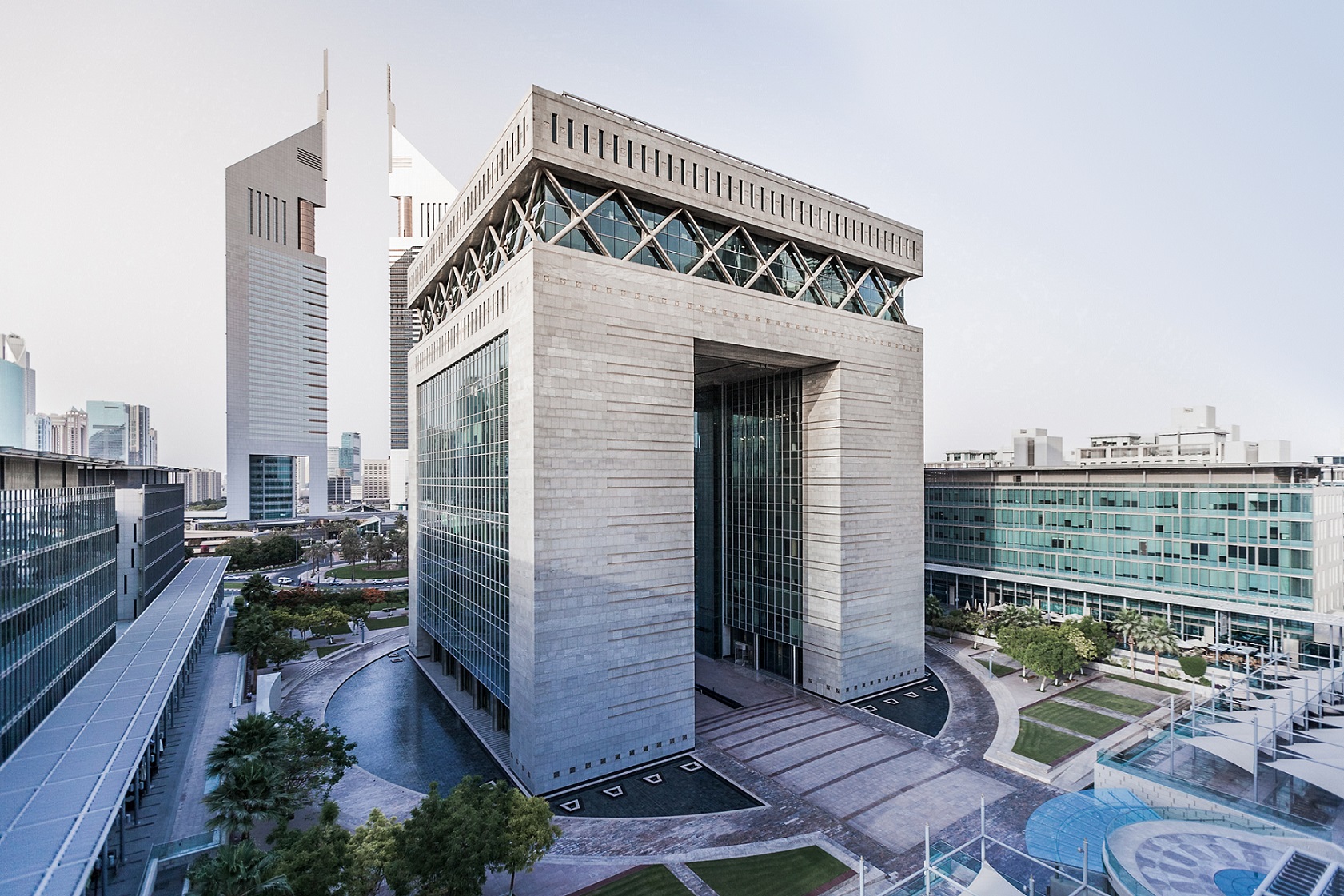
9. DIFC (Dubai International Financial Centre) – Minimalist Shots with Modern Architecture

The DIFC area is a photographer’s dream with modern skyscrapers and minimalist designs. Geometric structures, shadows, and reflections allow for experimental photography. Morning and afternoon light enhance the aesthetics of this area.

10. Hatta Hills – Scenic Views Far from the City

Near Dubai’s desert border, Hatta Hills is quite far from the city center but offers impressive landscapes. Mountainous areas, ponds, and natural stone formations are ideal for both nature and landscape photography. Sunrise and sunset shots here create eyecatching photos for social media.

Dubai is not just a city of luxury hotels, massive shopping malls, and modern skyscrapers, as most of us know. The city offers a different story and visual experience at every corner. These hidden photo spots give photography enthusiasts the opportunity to discover Dubai’s unique and authentic side. The colorful walls and art-filled streets of Alserkal Avenue provide creative shots for photographers, while the quiet corners and sunrise/sunset views of Jumeirah Beach are ideal for capturing minimalist and natural photos. The historical texture of Dubai Creek takes visitors on a short journey through time, and the Al Fahidi Historical Neighborhood showcases the city’s past through photography.

For those seeking a nature filled experience, Ras Al Khor Wildlife Sanctuary and Hatta Hills offer stunning landscapes and wildlife photography opportunities. Those who appreciate modern architecture can draw inspiration from the minimalist and aesthetic designs of DIFC and The Sustainable City. Meanwhile, the colorful walls and beach areas of La Mer provide a perfect alternative for energetic, dynamic, and warm shots.

Each of these locations reveals not only Dubai’s tourist side but also its local life, art, nature, and traces of history. If your goal is not just to photograph the city skyline or iconic landmarks but also to capture the spirit and unique atmosphere of the city, these discovery routes will inspire you. Photographing Dubai is not just about taking beautiful shots; it’s about bringing the city’s story, energy, and hidden beauties to your lens. Therefore, exploring these hidden spots on your next visit to Dubai will add a whole new dimension to your photography and elevate your social media posts to the next level.

Contributed by GuestPosts.biz

Celebrating Diversity And Tradition In Dubai

24 Dec 2025 Blog

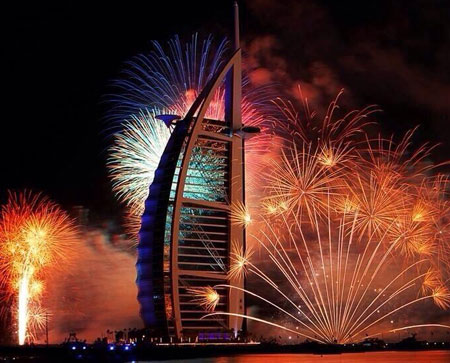
Dubai’s transformation from a humble fishing village to a global metropolis hasn’t diminished its rich cultural heritage. The cultural festivals in Dubai offer visitors and residents alike an extraordinary opportunity to experience the emirates diverse traditions, modern innovations and international influences. These celebrations showcase the perfect blend of ancient Dubai traditions and bring people together through art, food, music and history. The Dubai Shopping Festival stands as one of the world’s largest retail and entertainment events, transforming the entire city into a shopper’s paradise from January to February. This month-long extravaganza goes far beyond shopping, featuring spectacular fireworks display, live concerts, cultural performance, and family-friendly activates across the emirate.

Discover Dubai’s rich customs and traditions, each a treasure of cultural heritage. From the call to prayer echoing through the city of the Arabic calligraphy, Dubai tells stories of ancient customs mixed with modern interpretations. Experience hospitality through sharing traditional Arabic Coffee(Kahwa) and enjoy traditional dance performance like the Emirati Al Ayala Dance. Explore lively souks where bargaining is a tradition and join events like the Dubai Heritage Festival for music, food and crafts. This journey offers a deep understanding of UAE culture and traditions and the importance of preserving these customs for the future.

A land of opportunities, taking us through a journey of time and culture in Dubai United Arab Emirates, where shaping the desert landscape to the vibrant customs of contemporary Emirati life, each tradition tells a story of resilience and heritage. Imagine wandering through busy souks, where the air is filled with the scent of spices and the echoes of bargaining or witnessing the art of falconry-a revered UAE tradition that dates back centuries. The city’s diverse cultural mosaic comes alive during traditional festivals like Eid and Ramadan, where families gather to share meals and celebrate together. By engaging with these customs, visitors gain a deeper appreciation for the intricate layers of Dubai’s cultural identity, making every moment of discovery truly remarkable.

Ultimately, Dubai’s cultural festivals are more than just events: they are expressions of the city’s identity as a global crossroads. They celebrate diversity, honor traditions, and create opportunities for connection. For residents, they provide a sense of community and continuity, while for visitors, they offer a chance to experience the richness of visitors, they offer a chance to experience the richness of Dubai’s cultural fabric. These festivals demonstrate that Dubai is not only a city a of skyscrapers and innovation but also a place where traditions are respected, diversity is embraced and cultural is celebrated in all its forms.

Traditional performances to innovative exhibitions stumble upon how this initiative captures the city’s spirit in every artistic expression. What a day to spend strolling through the historic AI Fahidi neighborhood, where wind towers and alleyways revel glimpses of old Dubai, or indulging in the flavors of traditional Emirati cuisine that revels a delightful fusion of spices and cooking techniques. We can also uncover Dubai’s cultural tapestry created through art and music and displayed in galleries and performance that reflect both and local and international influences. Evidently, visitors from all over the world uncover a deeper connection to the city’s soul as they embrace this rich exploration and discover stories and experiences that celebrate the diversity and resilience of Dubai’s cultural identity.

Beyond the secular celebrations the UAE embraces the spiritual significance of religious festivals that hold deep meaning for various communitas. In the symphony of festivals that echo through the Diverse festivals in the UAE, one can hear the harmonious notes of unity and diversity. From the joyous communal gatherings to the spiritual reflection and cultural extravaganzas, the UAE’s festivals tell a story of nation that celebrates its rich tapestry with pride. 

Contributed by GuestPosts.biz

A Day In Old Dubai: Exploring Culture, History, And Heritage

23 Dec 2025 News

Dubai is known for its futuristic skyline and luxurious lifestyle. However, its soul lies in its historic heart. A day in Old Dubai offers a glimpse into its rich heritage, bustling markets, and charming cultural cafés. Step back in time and experience a side of Dubai that remains beautifully preserved.Al Fahidi Historical District is a window into Dubai’s past. The neighborhood is filled with restored wind-tower houses, narrow alleys, and hidden courtyards. Through its sandy-colored lanes, you will find museums, art galleries, and cultural centers. Each corner tells a story of Dubai’s early trading days and Bedouin traditions.

The Dubai Museum, housed in Al Fahidi Fort, provides an immersive journey through the city’s transformation. Traditional homes have been converted into boutique hotels and artist studios. The district also hosts cultural events and workshops that showcase Emirati craftsmanship. A visit to Al Fahidi is like stepping into a living museum of Dubai’s history. Dubai Creek has been the lifeline of the city for centuries. The waterfront is lined with bustling souks that sell everything from spices to textiles. The Gold Souk dazzles visitors with rows of intricate jewelry, while the Spice Souk fills the air with exotic aromas. These markets remain as lively today as they were in Dubai’s early trading years.

A traditional abra ride across the creek offers stunning views of both old and new Dubai. The wooden boats transport passengers for just one dirham, making it an authentic and affordable experience. The Textile Souk in Bur Dubai is another must-visit, with vibrant fabrics, handwoven carpets, and embroidered garments. Exploring these markets provides a true taste of Dubai’s trading heritage.After exploring the historic sites, unwind in one of Old Dubai’s cultural cafés. These cafés blend traditional Arabian hospitality with a cozy ambiance. Arabian Tea House in Al Fahidi is a favorite, offering authentic Emirati dishes and an array of fragrant teas. Sitting under the shade of a tree, sipping Karak chai, feels like a step into old-world charm.

Old Dubai is a place where history, culture, and tradition come alive. Unlike the city’s glitzy skyscrapers, this area remains grounded in its roots. Exploring Al Fahidi, wandering through creekside markets, and savoring traditional flavors create a truly authentic experience. A day here offers a deeper connection to Dubai that existed long before the modern transformation.

The contrast between Old Dubai and the modern city highlights the emirate’s ability to embrace progress while honoring tradition. For visitors and residents alike, spending time in Old Dubai is a reminder that the city’s identity is deeply rooted in culture and history. The area encourages slow exploration, allowing people to appreciate the details of architecture, the stories of merchants, and the flavors of traditional food. It is a place where history feels alive, offering a perspective that balances Dubai’s futuristic ambition with its cultural soul.

Why just admire Dubai’s skyline when you can walk through its history? Trade the fast pace of the city for the timeless charm of Old Dubai. Immerse yourself in the sights, sounds, and flavors of its heritage-rich streets. Your journey into Dubai’s cultural heart is just a step away—don’t miss it. Al Shindagha Heritage Village, located near the Creek, is another destination that showcases the traditional Emirati way of life. With restored houses, cultural displays, and craft demonstrations, it serves as a living museum. You can observe techniques such as weaving, pottery, and dhow building—skills that are still passed on through generations.

Dubai is more than a shopping and entertainment hub. Its heritage, rooted in centuries of resilience, trade, and adaptability, continues to influence daily life and city planning. By exploring beyond the malls and tourist zones, you get to experience a more grounded and meaningful side of the city.

This Dubai cultural travel guide aims to help you connect with that deeper narrative. It is a journey into time, values, and the lived reality of a place that balances its future with its past. If you travel to Dubai with curiosity and an open mind, you’ll leave with stories and understanding far more valuable than souvenirs.

Contributed by GuestPosts.biz

Dubai’s Multicultural Food Scene: A Culinary Journey Across the World

22 Dec 2025 News

Dubai’s food scene is one of the most diverse in the world, offering a culinary journey that reflects the city’s multicultural population. With residents from over 200 nationalities, Dubai has become a melting pot of flavors, traditions, and cooking styles. The city’s dining landscape ranges from street food stalls and family-run eateries to Michelin-starred restaurants and celebrity chef concepts. What makes Dubai’s food culture unique is the authenticity of its offerings. Whether someone is craving Indian biryani, Lebanese mezze, Japanese sushi, or Ethiopian injera, they can find dishes prepared by chefs who bring their heritage to the table.

The city’s neighborhoods each contribute to this diversity. Areas like Karama and Satwa are known for affordable, authentic meals that attract both residents and tourists. Here, diners can enjoy South Asian, Filipino, Middle Eastern, and African cuisines in casual settings that feel warm and welcoming. These neighborhoods showcase the everyday food culture of Dubai, where flavors from around the world come together in a single street.

On the other end of the spectrum, Dubai’s fine dining scene continues to grow. Luxury hotels and upscale districts host restaurants led by internationally renowned chefs. These establishments offer innovative menus, artistic presentations, and immersive dining experiences. The rise of Michelin-starred restaurants in Dubai reflects the city’s ambition to become a global culinary destination.

Street food markets and food festivals also play a major role in shaping Dubai’s food identity. Events like food truck gatherings, night markets, and seasonal festivals bring together vendors from different cultures, creating lively spaces where people can explore new flavors. These events celebrate diversity and encourage culinary creativity.

Dubai’s food scene is more than just a collection of restaurants; it is a reflection of the city’s multicultural spirit. It brings people together, fosters cultural exchange, and offers endless opportunities for exploration. For anyone who loves food, Dubai is a destination where every meal feels like a journey across the world.

Another aspect that makes Dubai’s food culture so compelling is the way it embraces both tradition and innovation. Many long‑established eateries continue to serve recipes that have been passed down through generations, offering comforting flavors that remind residents of home. At the same time, new restaurants constantly experiment with fusion concepts, creative presentations, and modern techniques. This balance between old and new keeps the city’s dining scene exciting and constantly evolving. Food lovers can enjoy a simple shawarma from a street vendor one day and indulge in a multi‑course tasting menu the next, all within the same neighborhood.

Dubai’s multicultural food identity is also shaped by its diverse population of chefs and restaurateurs. Many of them bring their personal stories and cultural influences into their menus, creating dishes that reflect both their heritage and their experiences in the city. This makes dining in Dubai feel personal and meaningful, as each meal carries a sense of authenticity and passion. The city’s openness to different cultures encourages culinary creativity, allowing chefs to introduce flavors from around the world while adapting them to local tastes.

Food delivery culture has also become a major part of daily life in Dubai. With countless options available at any hour, residents can explore new cuisines without leaving their homes. This convenience has helped smaller restaurants gain visibility and build loyal customer bases. Whether dining out or ordering in, people in Dubai have access to an incredible variety of flavors that reflect the city’s global character.

Ultimately, Dubai’s food scene is a celebration of diversity, creativity, and community. It brings people together, encourages exploration, and showcases the richness of cultures that call the city home.

Contributed by GuestPosts.biz

PR Tactics for Small Businesses

20 Dec 2025 Blog

In today’s competitive business world, one of the biggest challenges for small businesses is building brand awareness with a limited budget. While large brands gain visibility through high advertising expenditures, this path is not always possible for small businesses. This is exactly where PR comes into play. When applied correctly, PR is a powerful tool that can create high impact at a low cost.

PR efforts are not limited to simply sending press releases. An effective PR strategy requires storytelling, trust-building, proper communication, and consistency. In this article, we will examine in detail 7 effective PR tactics that help small businesses increase brand awareness. Let’s take a look together. For more detailed information, you can visit PRnearme.

  1. Create a Strong Brand Story

People remember stories more than brands. One of the biggest advantages of small businesses is having a sincere and authentic story. Why are you doing this business? What problem do you solve? What sets you apart from your competitors?

Clarifying your brand story forms the foundation of all PR efforts. Media, influencers, and potential customers show more interest in stories that include emotion, purpose, and originality. The more real and consistent your story is, the more memorable your brand becomes.

  1. Use Press Releases Strategically

Press releases are still one of the most effective PR tools—but only when used correctly. One of the biggest mistakes small businesses make is sending press releases by considering every development as “news.”

The most important point is to focus on topics that truly have news value. For example, new product or service launches, important partnerships, awards or success stories, and projects that provide social benefit. Use a short, clear, and attention-grabbing headline. Be sure to answer the questions “who, what, where, and why” in the first paragraph. Remember, a press release is not an advertisement but a tool for providing information.

  1. Build Relationships with Local Media

Getting coverage in national media may not always be possible; however, local media is a great opportunity for small businesses. Local newspapers, news websites, blogs, and radio stations tend to show more interest in businesses within their region.

Building sustainable relationships with local media increases brand credibility, provides regional visibility, and supports word-of-mouth marketing. Therefore, communicate with media representatives not only to send news but also to build long-term relationships. Offer them content that adds value.

  1. Strengthen Digital PR and Online Visibility

PR is no longer limited to traditional media. Digital PR provides a great advantage for small businesses. Thanks to online news sites, industry blogs, and digital publications, your brand becomes more visible in search engines as well. Digital PR has many benefits because it allows your brand name to appear more frequently on the internet, gain strong backlinks, improve SEO performance, and being present on online platforms not only increases brand awareness but also boosts organic traffic in the long term.

  1. Collaborate with Influencers and Micro-Influencers

Influencer marketing has become an important part of PR strategies. However, for small businesses, influencers with millions of followers are not always the right choice. Instead, working with micro-influencers can be more effective and budget-friendly. Micro-influencers have a more relevant audience, build stronger relationships with their followers, and offer higher engagement rates. Therefore, the right influencer collaborations can quickly increase your brand’s credibility and awareness.

  1. Provide Social Responsibility and Community Contribution

Brands that contribute to society always attract more attention. Social responsibility projects are a strong lever in terms of PR. These projects do not necessarily require large budgets. For example, sponsoring local events, supporting social campaigns, and developing environmentally friendly practices both attract media attention and strengthen your brand values.

  1. Ensure Consistency and Continuity

PR is not a one-time effort. Continuity is essential to achieve effective results. It is necessary to produce content regularly, stay in communication with the media, and convey your brand message consistently. With a consistent PR strategy, brand identity is strengthened, long-term trust is built, and awareness becomes permanent. Small but consistent steps create a big impact over time.

As a result, PR for small businesses is not only a promotional tool; it is also one of the most effective ways to build trust, reputation, and brand value. Through the right storytelling, strategic press releases, local media relationships, digital PR efforts, and consistency, small businesses can stand on the same stage as big brands.

For small businesses that want to increase brand awareness, PR is no longer a luxury but a strategic necessity. PR tactics implemented with the right steps make your brand visible, increase your credibility, and pave the way for long-term success.

Contributed by GuestPosts.biz

Moneyhash And Mastercard Collaborate To Expand Access To Merchant Focused Solutions

20 Dec 2025 Blog

Moneyhash is collaborating with Mastercard to expand merchant access to its Merchant Cloud platform across the Middle East and Africa. By connecting to Mastercard’s Gateway through a single unified API, merchants can simplify integration, streamline operations and enhance payment performance across markets.

Mastercard’s Gateway, a part of the Merchant Cloud portfolio, is being made available through a payment orchestration platform in the region, where businesses can now connect directly through MoneyHash’s unified application programming interface (API), eliminating the complexity of multiple integrations and significantly shortening time to market. The collaboration enables merchants to optimize transaction routing, improve success rates, reduce payment failures and gain comprehensive visibility across their entire payment operations through a centralized dashboard.

“At Mastercard, we are committed to collaborating with disruptive fintech players to co-create innovative solutions that enhance the payments landscape and drive the growth of the digital economy in the region. Our collaboration with MoneyHash represents a fundamental shift in the way payment infrastructure is delivered by moving from complex direct integrations to convenient unified access, addressing a critical pain point. Together, we aim to support merchants’ digital transformation journeys and enable seamless checkout experiences for online shoppers,” saidMete Guney, Executive Vice President, Market Development, Mastercard, EEMEA.

“Our collaboration with Mastercard represents a significant milestone in our mission to simplify and optimize payment operations for businesses across the region. By enabling direct access to Mastercard Gateway, we are eliminating the complexity that has traditionally held merchants back from scaling their digital operations. We bring together the best of both worlds – our advanced orchestration capabilities and Mastercard’s world-class payment infrastructure – to equip merchants with the tools they need to grow their businesses efficiently and effectively,” said Nader Abdelrazik, co-founder & CEO, MoneyHash.

Beyond integration, merchants can benefit from more flexibility and control over their payment ecosystem. Businesses can use MoneyHash’s smart routing capabilities to optimize transactions across Mastercard Gateway and other payment providers, increasing conversion and minimizing processing costs.

The collaboration also provides merchants with unified reporting and analytics, allowing them to make data-driven decisions to continuously improve their payment performance. Additionally, they can scale their payment infrastructure as their business grows while maintaining the security and reliability standards that Mastercard is known for globally.

1 2 3 7

Search

+